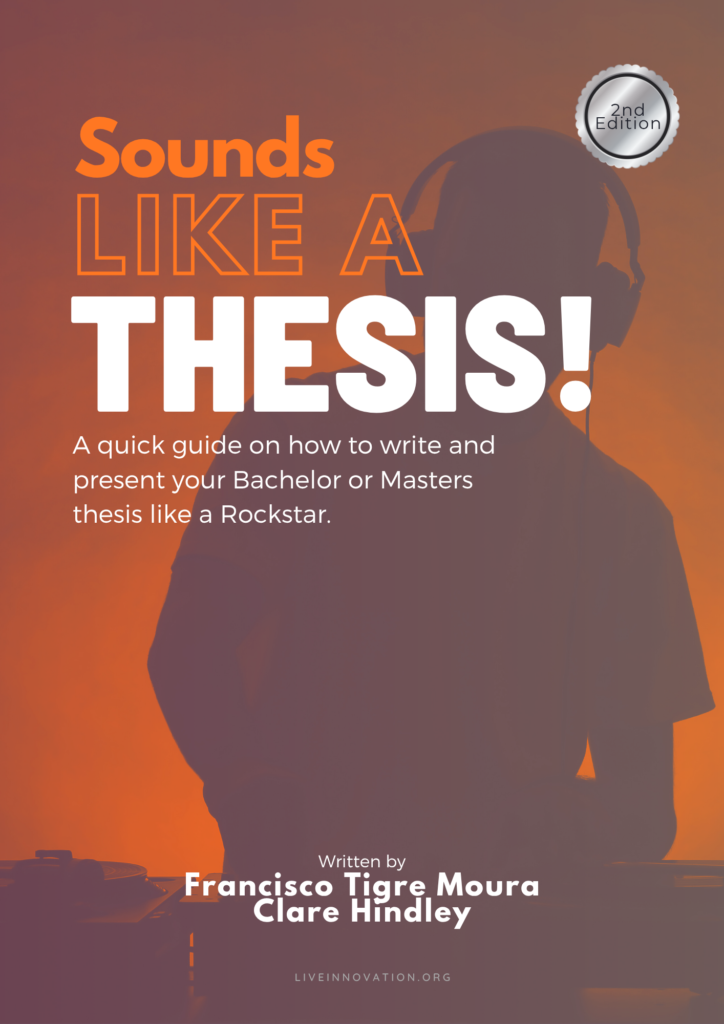

SOUNDS LIKE A THESIS: Download for free.
Description
AI Use
Content
Sounds Like a Thesis is a quick, practical guide for Bachelor's and Master's students who want to write and present a thesis that actually gets read, understood, and graded well. Co-authored with Clare Hindley, it strips out the academic jargon that makes most thesis guides painful to get through and replaces it with clear, step-by-step advice, from picking a research question to surviving your defense. This second edition keeps that same structure but adds something most thesis guides still ignore: how to use AI at every stage without wrecking the rigor your supervisor expects.
In this second edition, every chapter ends with recommendations on how to apply the supporting AI tools relevant to that stage of the thesis process, from brainstorming a topic to polishing your final draft. The goal isn't to have AI write your thesis. It's to show you exactly where AI saves real time and where it quietly damages your originality, your argument, or your grade if used carelessly.
- Welcome to the Jungle — Main Considerations Before You Start Your Thesis
- The Masterplan — How to Develop an Idea for Your Thesis
- Start Me Up — Introduction Chapter
- The Long and Winding Road — Literature Review Chapter
- Don't Stop Me Now — Methodology Chapter
- Now That I Found You — Results Chapter
- So What — Conclusions Chapter
- I May Be Wrong — Research Limitations
- Let's Do It — Managerial Recommendations
- The Scientist — Thesis Defense
- We Are the Champions — Life After Thesis
Editions
Chapters
Pages
Downloads
How to Write a Thesis: Complete Tutorial Series

YOU WILL DO AN AMZING JOB!
You know what? Working on your thesis can actually be fun, fascinating, intriguing and a true transformative experience. So I've developed this content to try and help you achieve this. I hope it is helpful for you and that you will develop an amazing work!
Francisco.

1. What to know before starting your thesis.
2. What to know while starting your thesis.
3. What to know when defining your methodology.
4. Helping you analyse your data.
- 1
- 2