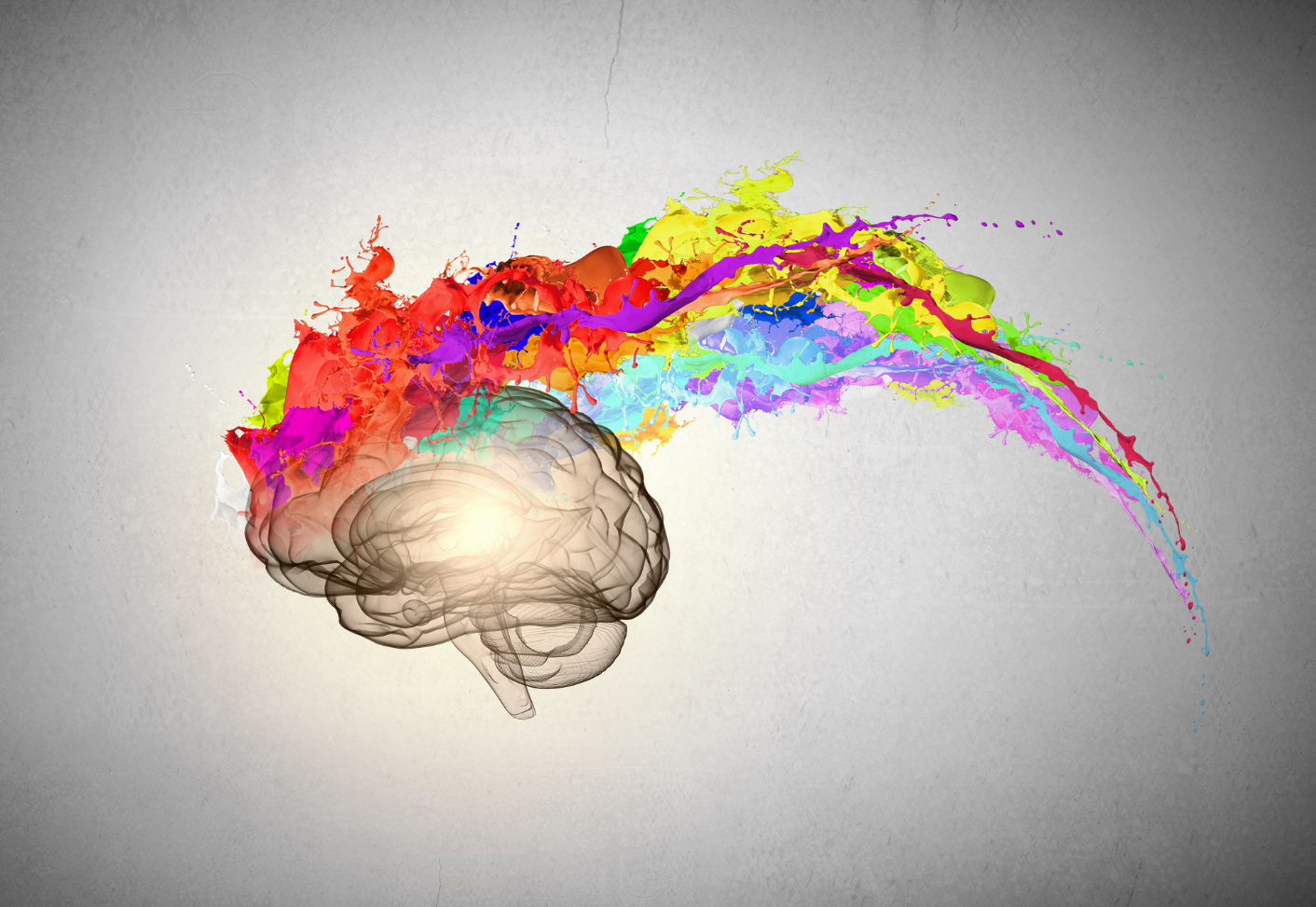
The landscape of human creativity is currently undergoing a seismic shift, driven by the unprecedented sophistication and accessibility of Generative Artificial Intelligence (GenAI). As these tools achieve levels of realism that mirror human output across music, visual arts, literature, and design, we find ourselves at a critical moment. The question is no longer just about how AI creates, but how we, as a society, survive and thrive in an environment saturated with AI-generated content.
Facing this challenging scenario, I would like to share a Call for Chapters for the upcoming Routledge volume which I will edit: “Artificial Intelligence & the Abundance of Creative Content: Implications and Strategies for Creators, Industries, and Society” (Working title). In short, this book aims to define the strategies and frameworks for the “post-abundance” era.
Why This Research Matters Now
While previous scholarship has largely focused on the mechanics of AI co-creation, this new volume shifts the lens toward the commercial, legal, cultural, and psychological conditions emerging from an unavoidable abundance of artificial creativity. For scholars and researchers, this is an opportunity to explore how the saturation of digital content is reshaping, for example:
-
Authenticity and Authorship: How do we define “original” when the market is flooded with hyper-realistic AI outputs?
-
Artistic Value and Meaning: Are audiences becoming desensitized to creative works, and how does this impact emotional engagement?
-
Market Sustainability: How can human creators differentiate themselves and maintain sustainable practices in increasingly crowded cultural sectors?
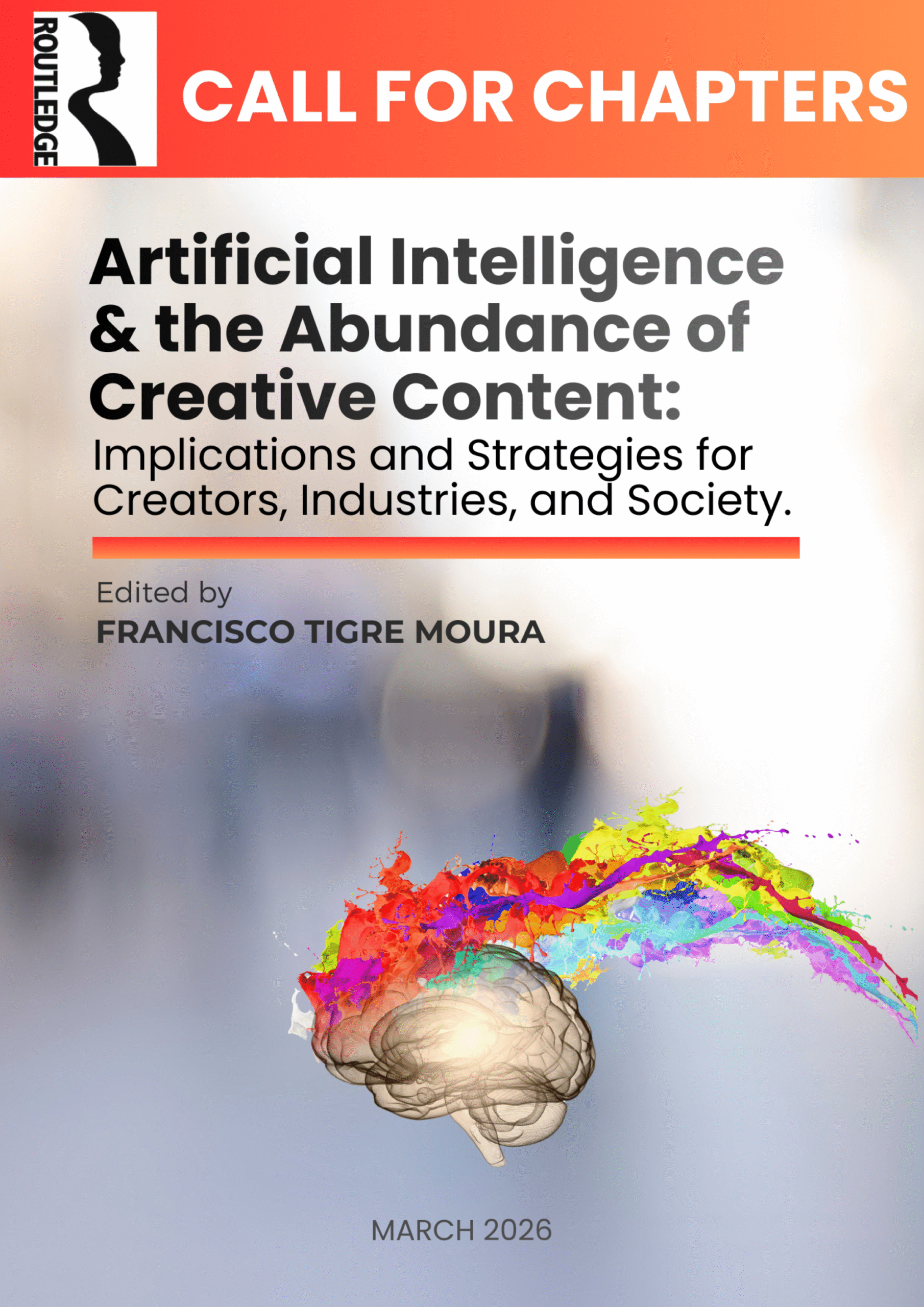
Interested? Download the Call for Chapters
You can download the call for chapters by clicking here or on the image below.
Potential Topics for Submission
The editor invites international scholars and practitioners at all career stages to contribute. Chapters may take the form of primary research, theoretical papers, case studies, literature reviews, or position chapters.
Key themes may include, but are not limited to:
-
Deepfakes and the Hyperreal
-
Creative Labor and Market Reconfiguration
-
Authorship, Attribution, and Regulatory Adaptation
-
Education and Skill Formation in the AI Era
-
Curation, Gatekeeping, and Cultural Navigation
-
Memory, Preservation, and Longevity of Creative Works
Submission Guidelines and Deadlines
To ensure academic rigor and thematic coherency, all chapters must adhere to a maximum length of 5,000 words (including references) and utilize APA referencing style.
Important Dates:
| Milestone | Deadline |
| Abstract Submission (300 words) |
April 25, 2026 |
| Notification of Acceptance |
May 10, 2026 |
| Deadline for 1st Submission |
July 1, 2026 |
| Deadline for 2nd Submission |
September 1, 2026 |
Other Publications: Join the Conversation
This volume represents a vital continuation of the research started in previous Routledge titles such as Artificial Intelligence, Co-Creation and Creativity and Artificial Intelligence in Creative Industries.
If your research touches upon the future of human purpose and creative identity in the age of AI, I would really appreciate if you would consider submitting your abstract to me at: francisco.tigre-moura@iu.org
Cheers!