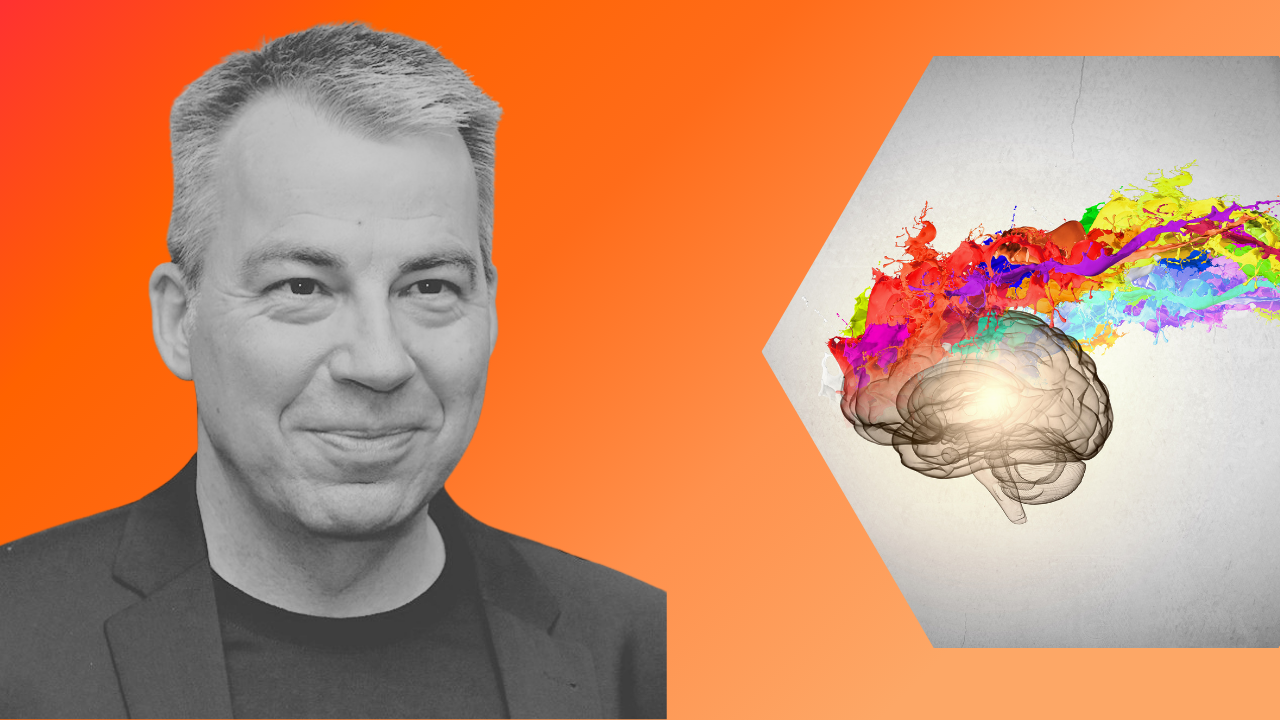
In this episode of the AI & Creativity interview series, I speak with Michael P. Aust, a long-time leader in the worlds of film music and media production. Aust has directed SoundTrack_Cologne since its creation in 2004 and has served as Festival Director of the Braunschweig International Filmfestival since 2014. With over twenty years of experience producing features and documentaries, and as managing director of the Cologne-based TelevisorTroika GmbH, Aust offers a grounded and practice-oriented perspective on how AI is affecting the professional realities of creative work.
Meet Michael P. Aust
Michael P. Aust’s career spans film production, festival leadership, and cultural event organization. Over the past two decades, he has amassed producer credits for numerous feature films and documentaries, including 101 Reykjavík, Low Lights, Parallax Sounds, and Eva Hesse. As founder and managing director of TelevisorTroika GmbH, he has worked at the intersection of film, music, events, and arts communication since 1993. His leadership at SoundTrack_Cologne and the Braunschweig International Filmfestival positions him uniquely to observe not only artistic practice but also the evolving economic and legal landscape of creative industries.
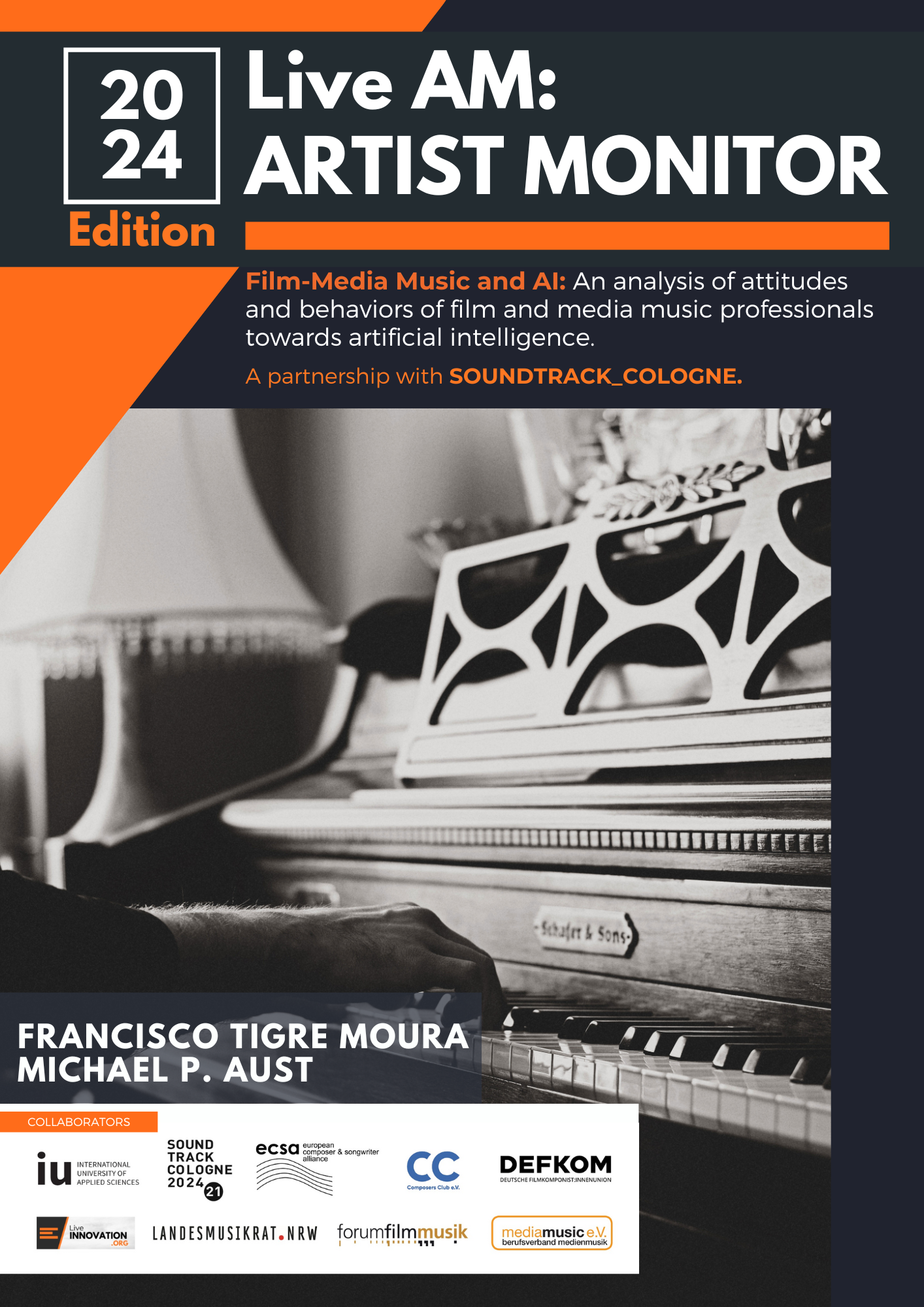
Also, Michael is a co-author of the Live AM: Artist Monitor report we published in 2024, investigating perceptions and behaviors of music composers towards AI. You can download the report by clicking in the image below:
Watch the Full Interview
So back to the podcast episode, you can watch the full conversation with Michael P. Aust below:
Exploring AI’s Role in Professional Practice
Our conversation begins with a focus on the often-overlooked distinction between different types of AI tools. According to Michael, many professional composers and media practitioners already use non-generative AI applications, for pre-mixing, and automated optimization, as integral parts of their workflows. These tools are valued for their technical support and efficiency but are not viewed as creative replacements. Their adoption reflects a deeper integration of algorithmic systems into everyday practice, long preceding the recent surge in generative AI interest.
Michael’s view challenges the popular narrative that AI represents an abrupt break with the past. Instead, he situates current debates within a continuity of technological adaptation. This perspective helps explain why some professionals embrace functional AI while remaining cautious about generative systems with creative autonomy.
Legal Uncertainty and Creative Decision-Making
Another relevant theme of the interview is the role of intellectual property, and its absence of clear legal frameworks, in shaping AI adoption. Michael emphasizes that many professionals hesitate to incorporate AI-generated outputs into commercial projects not because of creative resistance, but because of unresolved questions about rights, training data, and attribution. The risk of future legal challenges creates a climate of uncertainty that inhibits experimentation at scale.
This hesitation is compounded by a lag in regulatory structures such as the European AI Act, which, despite its ambition, has yet to provide the clarity that creative professionals and rights holders need. Without transparent protocols for training data and usage rights, AI remains entangled with legal ambiguity, constraining its integration in market contexts where intellectual property clearance is essential.
Economic Shifts and Professional Competence
Beyond legal questions, the conversation turns toward economic pressures reshaping creative labor. Aust reframes the oft-invoked fear that “AI will take jobs” by clarifying that the more immediate competitive threat arises when practitioners who use AI are able to deliver at speed and lower cost. In this evolving marketplace, AI does not so much eliminate creative work as redefine the baseline competencies expected of professionals.
This insight reframes AI as a force that recalibrates expectations and performance standards across creative industries. In markets inundated with rapid production and dense content flows, efficiency becomes a distinguishing factor for survival, forcing adaptation rather than outright resistance.
Creative Identity, Style, and Legacy
One of the more forward-looking aspects of our discussion concerns the potential for AI to preserve and extend artistic legacies. Michael suggests that AI could enable creators to license their stylistic signatures, the formal and aesthetic patterns that make their work recognizable, allowing those creative voices to endure beyond active production. This idea shifts the focus from AI as a threat to authorship toward AI as a medium for perpetuating and amplifying creative identities, provided that attribution and compensation are handled with clarity and fairness.
Towards Engagement, Not Resistance
The episode concludes with a call to active engagement. Aust urges creative professionals and cultural institutions to participate in shaping the policy and regulatory responses to AI rather than allowing those frameworks to be determined without their input. Meaningful engagement with policymakers, rights organizations, and industry stakeholders is essential to ensuring that future norms surrounding AI respect both creative labor and intellectual property.
By positioning AI not as an external threat but as a mirror for existing structural challenges within creative industries, this conversation offers a grounded and practice-oriented perspective on how creative work is transforming. It situates the integration of AI within long-standing institutional, legal, and economic debates, underscoring the importance of adaptation and agency for the future of professional creative practice.
Final Thoughts
As you can see, it was a truly inspirational and informative chat. I hope you will enjoy watching it in full, follow Soundtrack_Cologne and keep yourself creative. Cheers!